Lawn Mowing in Cranford

Our lawn mowing in Cranford focuses on keeping grass cut neatly, edges tidy and the overall finish consistent from visit to visit. The service is suited to regular domestic gardens, shared outside spaces and small commercial plots that benefit from a dependable routine rather than a one-off tidy-up. We work with the conditions of each lawn in mind, so the cut height, clipping collection and finish are chosen to suit the grass, the season and the look you want to maintain.
For many customers, mowing is only one part of the wider care a lawn needs. We can combine it with garden maintenance where routine attention is needed across borders, beds and hard edges, or with hedge trimming when boundary planting begins to shade or crowd the lawn. If you are also planning a larger outdoor refresh, our landscaping and landscape gardening pages explain the broader work we handle alongside simple grass cutting.
When you ask for a quote, it helps to describe the size of the grassed area, whether the lawn is level or split into sections, and whether you want clippings taken away or left behind where appropriate. Regular mowing is usually easier to keep tidy than letting the grass grow long between visits, so a clear starting point helps us suggest the right type of service. If you are ready to compare options, send your details for a quotation and we will take it from there.
Regular Grass Cutting and Finish Control
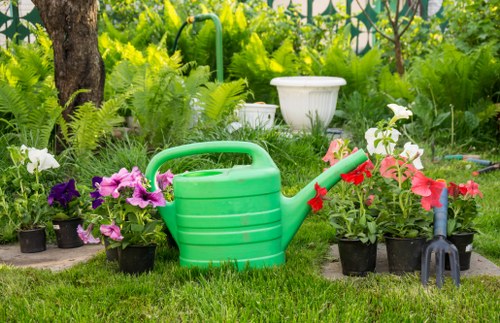
Regular grass cutting is the core of this service and it is where the clearest difference in appearance is made. A lawn that is cut at sensible intervals stays more even, is easier to edge and usually looks more settled through the season. We can help with straightforward repeat mowing or with a first cut after a period of growth, making sure the work is approached carefully rather than rushed. The aim is a finish that looks deliberate and manageable, not simply short.
Different lawns need different handling. Some are best kept at a consistent medium height, while others benefit from a slightly longer finish that protects the surface and helps the lawn keep its shape. We can also discuss whether a cut and collect approach is better than leaving the clippings where conditions allow. Lawn mowing is usually most effective when the work is matched to the ground, the season and the way the garden is used.
Useful points to consider before a quotation or first visit include the main mowing area, the access route, whether the lawn has narrow strips or awkward corners, and whether you want a simple cut or a more complete tidy-up around the edges. These details help shape the schedule and the amount of work needed. If you are still planning the rest of the garden, a simple request for a quotation is often the easiest next step.
Edge Work, Borders and Clean Presentation

A neat lawn is rarely only about the middle of the grass. Clean edges where the lawn meets paving, beds or paths make a noticeable difference to the overall appearance, especially where the grass line has softened or become uneven. We can include edging as part of the mowing routine so the result looks finished rather than simply cut. This is especially useful where the lawn sits beside patio areas, gravel borders or planting beds that frame the garden.
We also pay attention to the spaces that influence how the lawn reads visually. If borders are overgrown, the mower can be limited in how closely it can work, and the same applies where shrubs or hedging have begun to spread. In those cases, pairing mowing with garden clearance or planned tree lopping and removal can restore more usable space around the lawn and make later maintenance simpler. The right mix depends on the garden layout and the condition of the vegetation.
For a cleaner result, it can help to tell us whether you would like the edges sharpened each visit or only at certain times of year, and whether there are areas you prefer not to disturb. A clear instruction on preferred finish avoids unnecessary work and keeps the result aligned with your expectations. If the lawn is part of a larger outside project, we can discuss how the mowing fits around the other tasks.
Seasonal Mowing and Grass Care Choices
Grass changes through the year, and mowing needs to change with it. In stronger growing periods, frequent cuts prevent the lawn from becoming too long and help maintain a tidy appearance. In slower months, a lighter approach is often more suitable. The correct interval also depends on how the area is used, because a lawn that sees regular foot traffic may benefit from more consistent upkeep than one that is mostly decorative. Good mowing is therefore about timing as much as it is about cutting.
Where lawns have become patchy, uneven or affected by shade, the best mowing approach may be more conservative. Cutting too low can stress the grass, while leaving the sward too long can make it look untidy and harder to manage next time. We can discuss a practical routine that balances appearance with condition, and we can also consider whether the lawn sits alongside other features that need attention from garden maintenance or wider landscaping work.
When preparing a quotation, it is useful to note whether the grass is regularly maintained, has been left for a while, or includes mixed surfaces such as narrow banks or lawn sections around planting. These details influence how the first visit is planned and whether the work is best handled as a one-off, a reset or an ongoing schedule. Short, clear instructions often make the process easier for everyone.
How We Approach a Typical Mowing Visit

A typical mowing visit is planned around access, the size of the lawn and the finish requested. The work may include moving across separate grassed areas, checking for obstacles, mowing in a consistent pattern and completing tidy edges where appropriate. If the site has gates, steps, narrow side access or shared entry points, we factor that into the plan so the cut is carried out sensibly and without unnecessary disruption to the rest of the garden.
Some gardens need a simple mow, while others benefit from a fuller service that includes surrounding growth. If the lawn is being overshadowed by hedges, close-cropped shrubs or rougher areas nearby, combining mowing with hedge trimming or, where suitable, garden clearance can produce a better overall result. We can also work alongside wider outdoor improvements that are being handled through our decking-services page when the garden is being reorganised in phases.
It is normally helpful to share a brief description of the property layout, the size of the lawn and any areas that need special care, such as slopes, delicate borders or sections that are hard to reach. That information allows the quotation to reflect the real work rather than a rough guess. If you want a straightforward way to move forward, use the contact route when you are ready.
Supporting Services Around the Lawn

Lawn mowing often sits within a wider pattern of outdoor maintenance, especially where the garden has multiple features that all need attention in the same period. Our service can be combined with planned garden maintenance for ongoing upkeep, or with garden clearance if the space has become cluttered with cuttings, light debris or unmanaged growth. When the lawn is part of a more complete redesign, the work can also sit alongside landscape gardening so the final layout is easier to maintain.
We also understand that some customers want to improve the surrounding structure as well as the grass itself. That may mean adjusting the shape of borders, managing taller planting with hedge trimming, or resolving overgrown trees with tree lopping and removal where the lawn is no longer getting balanced light. These services are not required for every property, but they can make a noticeable difference when the grass is being affected by shading, crowding or reduced access around the edges.
When asking for a quotation, it helps to mention whether you only need mowing or whether you also want surrounding areas included, because that changes the scope of the visit. You do not need to prepare a long explanation; a short note on the size of the space, the condition of the grass and any access points is usually enough. From there, we can discuss the most suitable way to handle the work.
About Cranford
Cranford is a suburban district in west London, best known for its position around the River Crane and its proximity to the eastern edge of Heathrow Airport. Historically, Cranford was a village in Middlesex, and traces of that older identity remain in the pattern of its streets and the survival of landmarks such as St Dunstan’s Church, which stands as one of the most recognisable historic buildings in the area. The church’s fabric reflects a long architectural history, with parts of the building dating back several centuries and later alterations adding to its layered appearance. The River Crane runs through the district and gives the area a more open, green character in places, especially where paths and smaller patches of parkland follow the watercourse. Cranford Park is one of the best-known open spaces nearby, with historic landscape features, mature trees and a setting that contrasts with the busier roads and transport routes surrounding the district. The area also lies close to major communication corridors, including the A4 Great West Road and connections toward central London and Heathrow, which have shaped its modern character. Cranford’s built environment includes a mix of older housing, post-war residential development and more practical transport-facing buildings, creating a varied streetscape rather than a single uniform style. Local history is tied to settlement along the river, land ownership changes and the gradual absorption of the former village into Greater London. Despite those changes, Cranford still retains enough historic detail and green structure to feel distinct, with its church, parkland and river corridor providing the main points of reference in an otherwise heavily connected part of the capital.
Pricing Factors and Quotation Details
Quotation work is shaped by the practical details of the lawn rather than by a fixed pattern. Size, access, the amount of edging, the length of the grass and whether clippings need collecting all affect how long the job takes. If the lawn has not been cut for some time, the first visit may need a slower approach than routine maintenance. The same is true where the garden includes steep sections, narrow turning space or surfaces that need care around borders and paths.
For customers comparing options, it is useful to think in terms of the outcome you want. Some properties only need a tidy mow and edge, while others need a more complete reset that makes later maintenance easier. We can discuss whether the lawn would benefit from being brought back into shape before a repeat schedule begins, or whether a simple regular cut is enough. If you also need planting areas addressed, landscaping can provide a broader framework for the garden as a whole.
Clear information helps us quote properly. A concise description of the lawn, any awkward access and the level of finish you want is usually enough to begin. Once those basics are known, it becomes much easier to match the service to the space and avoid unnecessary extras.
Finishing Touches and Ongoing Care
Good mowing is often judged by the small details: straight passes, even coverage, tidy edges and a finish that leaves the lawn looking cared for rather than merely shortened. Those details matter because they influence how the whole garden feels when viewed from a path, patio or window. Where needed, we can combine mowing with a more complete tidy-up of the surrounding area so the result is balanced and practical, not just focused on the centre of the grass.
If the lawn is part of a shared exterior, a rental property or a garden being prepared for regular use, consistency can matter more than a one-off dramatic change. In those cases, repeat visits help maintain a presentable look and reduce the need for larger remedial work later. Services such as garden maintenance, recycling-and-sustainability and payment-and-security are set out on their own pages for customers who want to understand how the wider service is handled.
If you are planning to move ahead, keep your message simple: tell us the address area, the rough size of the lawn, and whether you want a single cut or a repeat arrangement. A brief request is enough to start the conversation, and the final step is easy when you are ready to request a quotation.